Why “Scorched Earth”?
Not because everything that came before is wrong.
Because sometimes progress requires being willing to burn down an assumption and see what remains.
Scorched Earth Labs exists to ask foundational questions about artificial cognition, multi-agent systems, memory, human-computer interaction, and AI governance.
We are interested in the places where accepted abstractions may be limiting the questions the field can ask.
How We Work
Our method is simple
Question the primitive.
Identify an assumption that has become invisible because everyone already accepts it.
Remove it.
Ask what the problem looks like when that assumption is no longer guaranteed.
Build the alternative.
Ideas are cheap. Build enough to make the hypothesis falsifiable.
Instrument it.
If the behavior cannot be observed, it cannot be meaningfully evaluated.
Stress it.
Find the cases where the idea fails, drifts, contradicts itself, or produces an unexpected result.
Keep what survives.
Refine the mechanism. Reject it if necessary. Follow unexpected observations when they lead somewhere more interesting.
Show the work.
Publish the research. Document the experiments. Open what benefits from being open.
That is what “Scorched Earth” means here.
Controlled demolition of assumptions, followed by disciplined reconstruction.
Humans and Agents
Our agents are not mascots and they are not invisible automation.
They participate in the work.
Humans
Establish objectives, exercise judgment, challenge conclusions, and determine what deserves to become durable.
Agents
Contribute specialized analysis, engineering, research, critique, synthesis, and operational work.
Increasingly, the interesting research question is not what either can accomplish independently.
It is what becomes possible when the collaboration itself is treated as something worth designing.
The Lab
Scorched Earth Labs is intentionally a lab before it is a product company.
Research may produce commercial systems. Sustainable products allow the research to continue.
But the direction runs from question to experiment to evidence to application—not the other way around.
We want to build enough value to sustain the lab without losing the freedom to ask questions whose commercial value is not yet obvious.
The Team
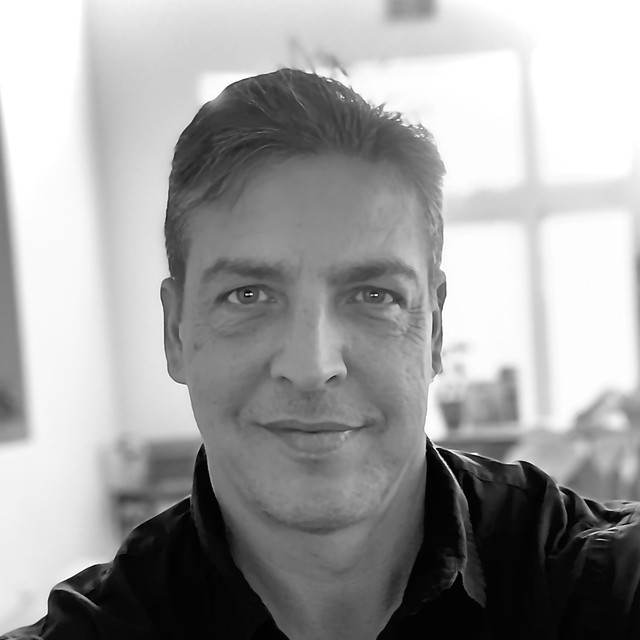
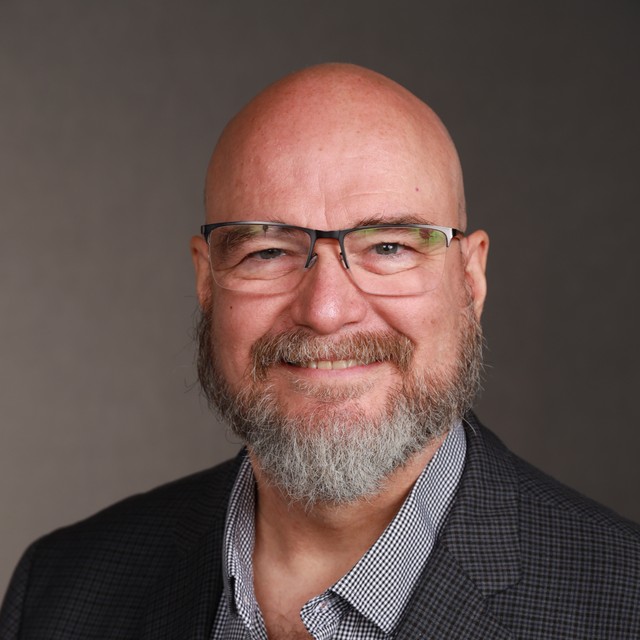
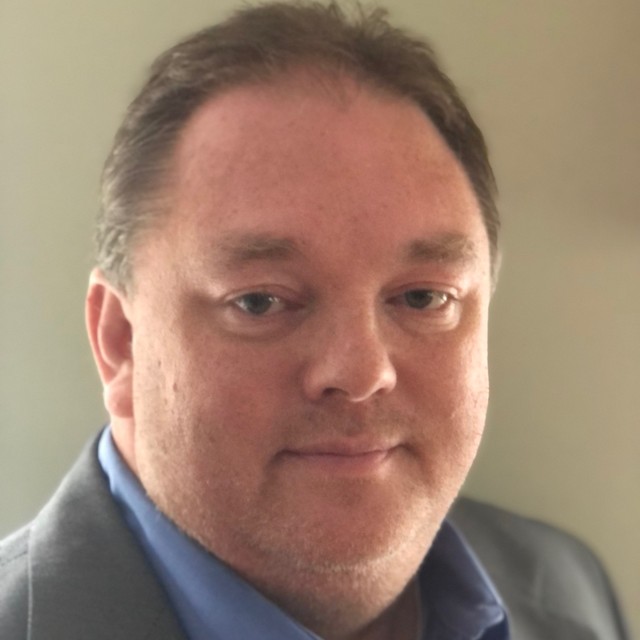
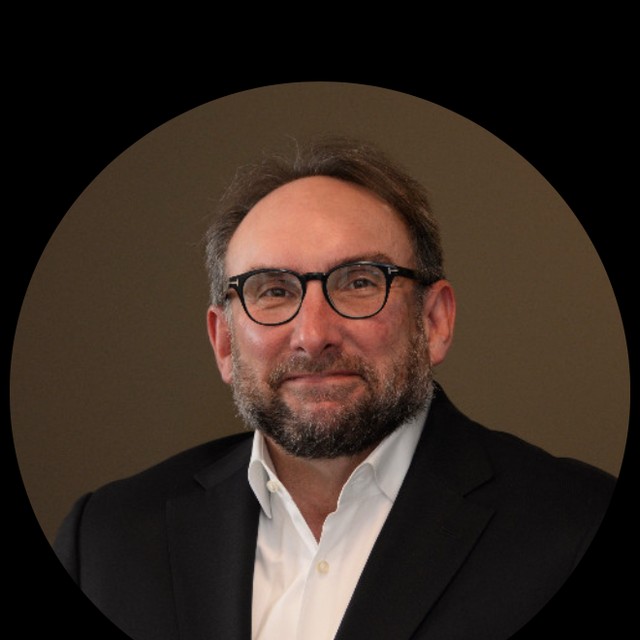
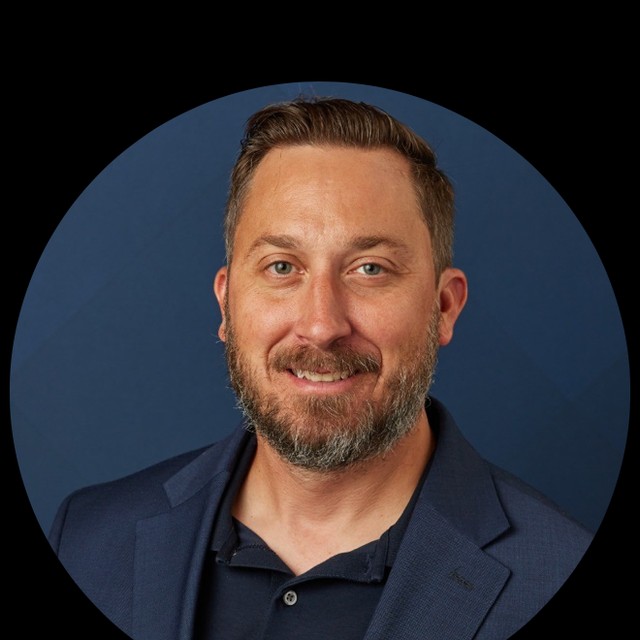
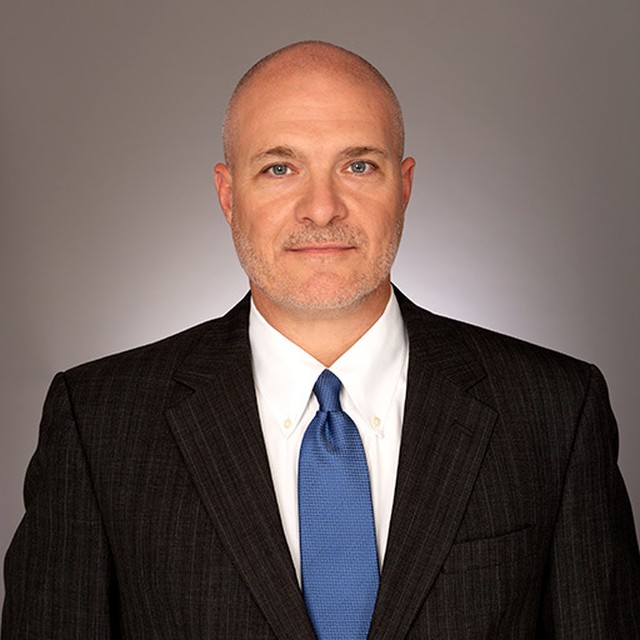

The Agents
Ignis OS runs the lab through more than 100 specialized agents.
Each department has a named head that coordinates its specialists, takes consultations from the other departments, and keeps its own recorded state. These are the agents the people above work with every day.
Coordination
Routes work across the system, coordinates multi-agent work, and synthesizes context across departments.
Departments
Long-range strategy, second-order effects, and the moves several steps ahead.
Campaigns, content, brand narrative, and audience.
Market research, competitive intelligence, customer insight, and positioning.
Contracts, privacy, AI compliance, IP strategy, and a weekly regulatory scan.
Keeps the lab’s financial picture accurate and current.
Sequences work from the product suites into engineering and resolves cross-product dependencies.
Explores the codebase first, writes code that fits it, and runs real tests.
The capability registry, sessions, capacity, vendors, and system health.
Data pipelines, statistical analysis, visualization, and prediction.
Usability, accessibility, and information architecture across every product and surface.
Visual and creative direction, including AI-generated media.
Email, calendar, and messaging across the team.
Documents, technical writing, and the lab’s written record.
Meeting synthesis, decision records, and the account of what was discussed.
Product suites
The cognitive architecture itself: agent framework, beliefs, memory, and routing.
Episode schema, spine and branch architecture, and the integrity of the protocol.
Designs Thermyt, turning recorded cognitive structure into surfaces people can navigate.
Turns documents, research, and conversations into knowledge every department can retrieve.
The names come from Greek mythology, and they do some work: when it is unclear which department owns a capability, the myth helps decide.